








FAQs
Frequently Asked Question About Our Tools
How do I choose the right cutting tool for my material?
Tool selection depends on the material type, machining speed, and finish quality.
- Use carbide tools for high-speed or hard materials
- Use HSS tools for general machining at lower speeds.
- Choose coated tools (e.g., TiN, TiAlN) for better wear resistance and heat control.
* Contact our technical support for a tailored recommendation.
What is the benefit of coated tools vs. uncoated tools?
Coated tools provide:
- Longer tool life
- Better heat and wear resistance
- Improved cutting performance
Uncoated tools are suitable for soft materials or budget-friendly applications.
How can I extend the life of my cutting tools?
To increase tool life:
- Use correct speed and feed settings
- Ensure proper coolant application
- Maintain rigid machine setup
- Use coated tools for high-temp operations
- Regular regrinding also helps restore tool performance.
Why is my cutting tool breaking or chipping early?
This may be caused by:
- Incorrect cutting parameters
- Inadequate cooling/lubrication
- Poor machine or tool setup
- Wrong tool material or geometry
** Our engineers can help analyze and resolve the issue.
Can you customize cutting tools to meet specific requirements?
Absolutely—our custom-made service allows you to design tools tailored precisely to your industry’s needs.
What tool holders are compatible with your tools?
Our tools are compatible with most CNC systems:
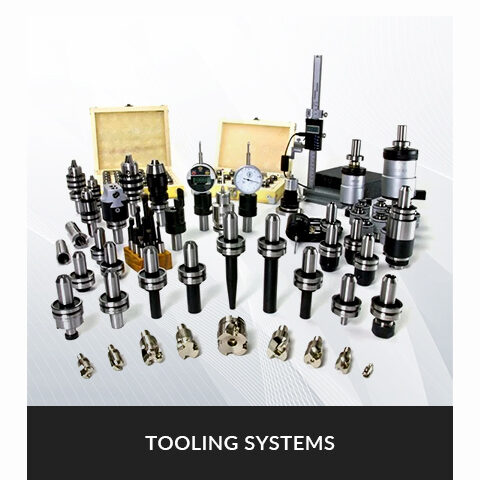
BT, CAT, HSK, ISO holders
ER collet chucks, hydraulic chucks, and shrink-fit systems. We also supply high-precision holders if needed.
Which tools are suitable for high-speed machining (HSM)?
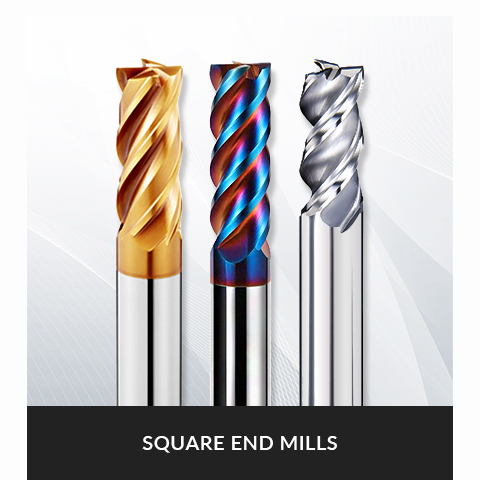
Use solid carbide tools with heat-resistant coatings like TiAlN or AlCrN.
Ensure high spindle stability, correct tool geometry, and proper chip evacuation to avoid tool failure.
Can your tools be reground or recoated?
Yes. Most of our carbide tools can be reconditioned through regrinding and recoating.
This significantly reduces tool cost per part. We offer recoating services in-house—just contact us.
How can I reduce chatter or vibration while machining?
To minimize vibration:
- Use shorter tool overhang
- Increase machine rigidity
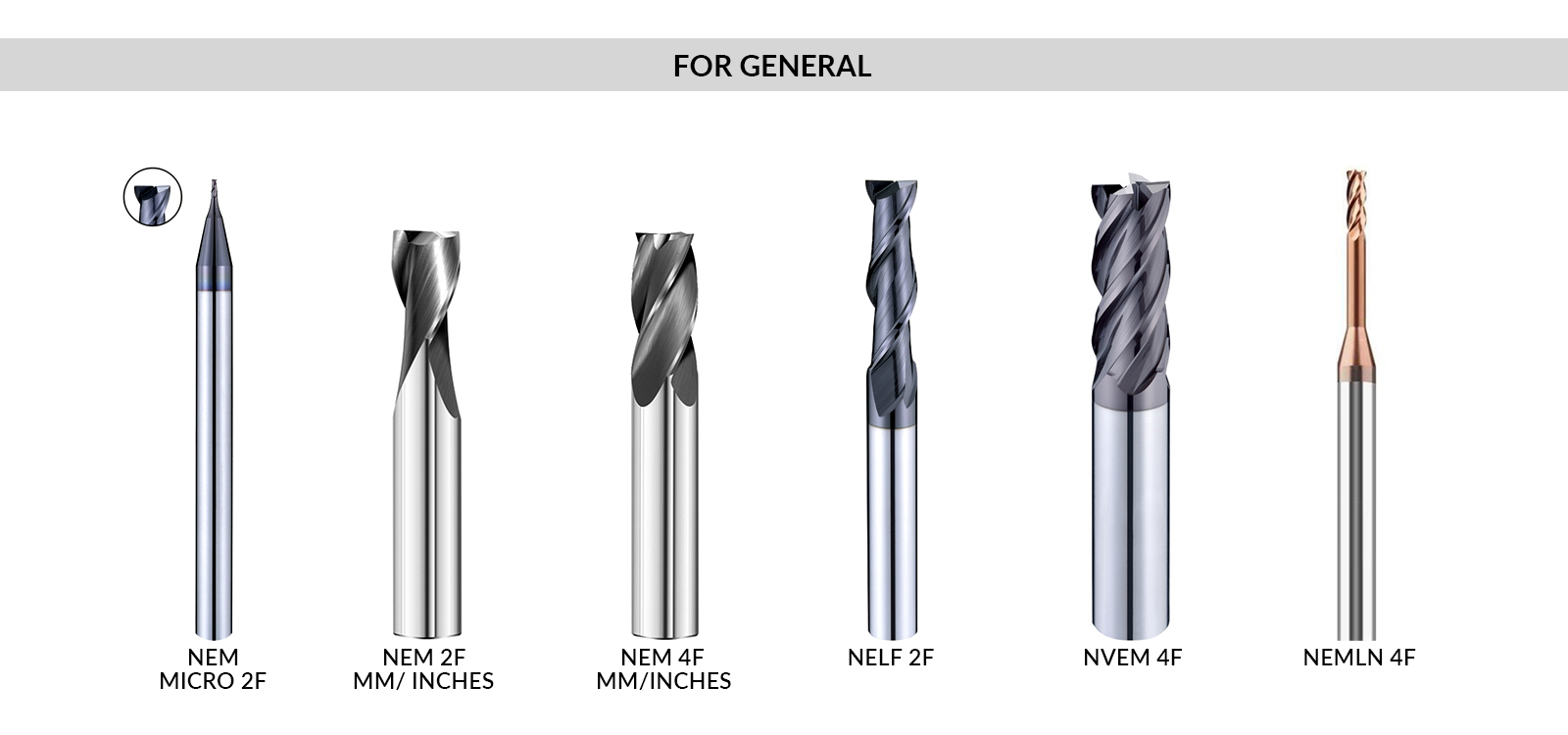
- Use variable helix end mills
- Optimize speed/feed rates
** Persistent issues may need a change in tool design—our team can advise.
Do you provide technical support or site visits?
Yes. We offer:
- Free technical consultation
- On-site visits (subject to availability)
- Support via phone, email, and WhatsApp
** Our trained advisors are ready to help improve your machining performance.